Mold Odor Removal in East Boston, MA
Mold and damaged materials are removed from musty rooms and closets in your East Boston property. Call 24/7 to arrange your source assessment and cleanup.
- Odor source assessed first
- Contained cleanup and HEPA filtration
- Drying and final condition checks
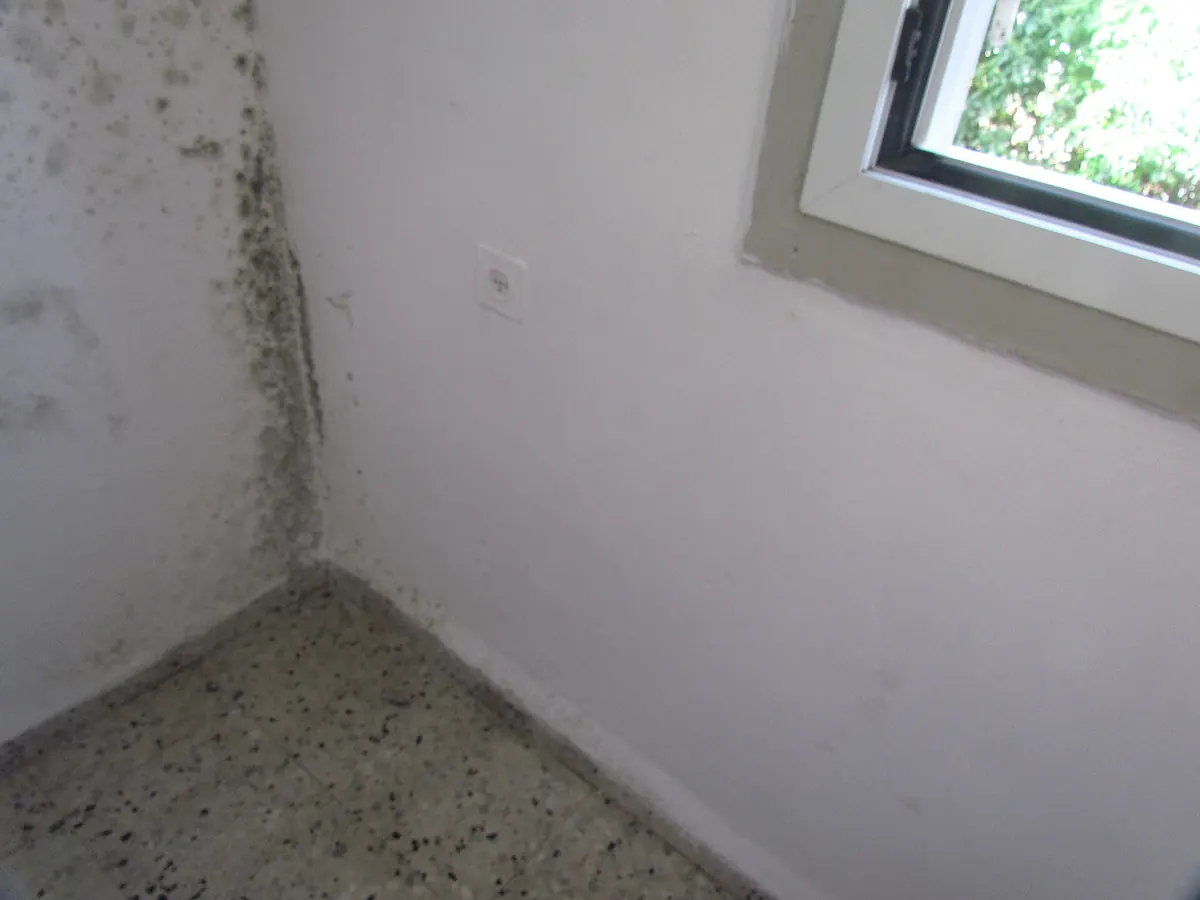
Understanding Mold Odor Removal Services in East Boston
Mold odor cleanup addresses the damp materials and mold making your closets, belongings, floors and walls smell musty. An inspection locates that source ahead of removal.
Growth and affected carpet pad, cleanable surfaces and drywall are part of your musty smell cleanup. A source check traces basement and crawl space odors because a smell cannot show how widespread mold is.
Your work scope puts access, disposal, drying and surface cleaning in writing, with moisture repairs identified apart from cleanup. Addressing moldy odors means addressing affected materials. Fragrance by itself does not resolve the source.
- Odor and moisture source assessment
- Carefully controlled entry into suspect wall cavities
- Affected carpet and drywall removal
- Cleaning for surfaces and possessions in sound condition
- Drying and post-remediation verification
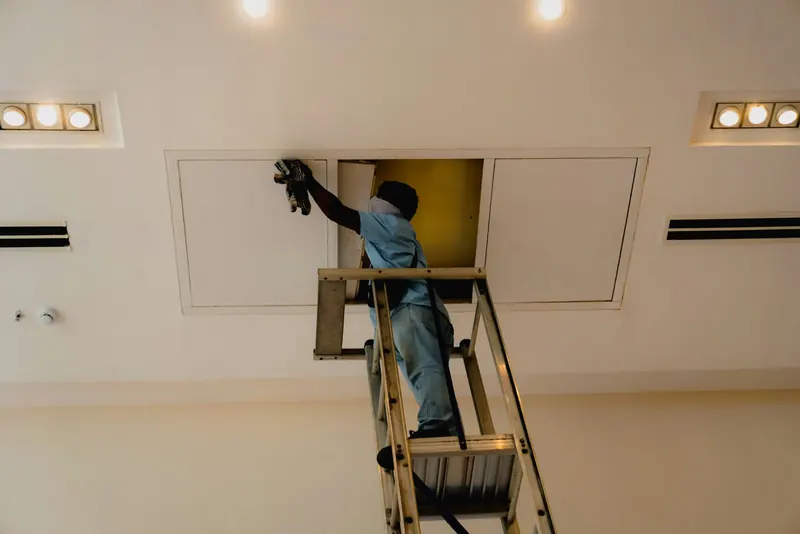
Mold Odor Removal in East Boston: Signs to Notice
Dampness with a recurring musty smell is reason to have your space assessed.
Odor Beside Visible Mold Growth
A persistent smell accompanies spots, peeling paint or swollen wall finishes in your rooms.
Moldy Smell Near Damaged Flooring
After water damage, your carpet, padding or adjacent baseboards stay damp or musty-smelling.
Musty Smell in Closet Corners
You notice damp-smelling fabrics or lingering odors behind stored belongings.
Mold Smell Returns After Cleaning
Your room smells musty after cleaning or fragrance, while dampness remains.
Damp Smell After Rain
You notice stronger basement odors following rain, with new stains sometimes appearing.
Your Steps Through Mold Odor Removal in Greater Boston
Your mold removal process follows the source through cleanup, drying and final checks.
Odor Assessment and Mold Inspection
An inspection checks your musty rooms. Dampness is mapped using a moisture meter; temperature differences appear on a thermal imaging camera, which cannot identify mold.
Moisture Source and Cleanup Scope
Leaks, condensation and materials are assessed. Mold remediation steps appear in your scope alongside access requirements and separate moisture repairs.
Containment and Particle Control
A containment barrier uses poly sheeting. Particle spread during removal is limited with negative air pressure, a HEPA air filtration device and protective equipment.
Damaged Material Removal
Bagging takes place within containment for unsalvageable drywall and carpet pad. The assessed extent guides demolition of damaged materials, with debris following a protected route.
Cleaning the Odor Source
Cleaning covers non-porous surfaces and sound wood. Particles are collected with a HEPA vacuum; when appropriate, cleaning is supplemented by antimicrobial treatment.
Controlled Drying
Where appropriate, air movers accompany a dehumidifier as drying equipment. Moisture readings measure drying progress alongside correction of water problems.
Final Cleaning and Verification
Your remediation protocol sets the basis for checking cleaned surfaces and material dryness. Any specified clearance testing is performed by an independent assessor before containment comes down.
Containment Removal
Barrier removal follows the agreed checks for completion. Persistent odor leads to another source assessment; replacement materials wait until drying and verification are complete.
Why Choose Boston Mold Cleanup When You Need Mold Odor Removal
Clear Scope Before Work
Your disposal, cleanup and separate repair needs receive explanation ahead of work.
Mold and Moisture Source First
Damp materials are traced during your assessment ahead of choosing odor treatment.
Contained Work With HEPA Filtration
Containment and a HEPA air scrubber limit particle movement while affected materials are disturbed.
Calls Answered 24/7
Nights and weekends are included when you use one number to begin your metro-area odor assessment.
Removal Through Final Checks
Removal of damaged materials, cleaning of sound surfaces and drying checks all precede taking barriers down.
Mold Odor Cleanup in Suffolk County: Steps Before Work
Call for your assessment, keeping any suspect materials untouched.
- Stop a leak if safe. Keep clear of standing water beside electrical equipment.
- Leave wall cavities closed. Do not pull off trim or tear into suspect drywall.
- Avoid disturbing growth. Do not sand, dry brush or aim fans at mold.
- Pause suspect HVAC use. Avoid operating possibly mold-containing equipment, as EPA advises.
- Keep the affected area clear. Keep children and pets away from growth and damaged materials.
Mold Odor Removal Cost in East Boston
Your cost depends on materials, the source of the smell and access. Each Fixr card describes different work, not amounts to combine for a quote. Complete remediation goes beyond dry fog odor treatment; broader cleanup appears in the related national range.
Air scrubbers and HEPA vacuums
$500 to $1,000 per jobSource: Fixr, Mold Remediation Cost (checked 2026-10-23)Related mold remediation, typical national range, average $3,500
$1,500 to $9,000 per jobSource: Fixr, Mold Remediation Cost (checked 2026-10-23)Your Musty Smell Removal Cost: What Affects Pricing
- Containment and equipment needs
- Separate moisture repairs and rebuilding
- Materials retaining musty odor
- Access behind walls or flooring
- Size of the affected space
Odor Cleanup Pricing for You
These published national ranges are planning figures. Your on-site assessment defines the work and price before cleanup starts, including any separate source repairs or rebuilding.
Call (844) 352-3560 about costMold Odor Removal Service Area Across Greater Boston
Call (844) 352-3560 to arrange cleanup in East Boston or nearby communities. One number covers the metro.
Mold Odor Removal in Locations Near East Boston
Common Questions About Mold Odor Removal in East Boston
Do you need mold testing before or following musty smell removal?
Air sampling is often not needed for visible mold, according to EPA guidance. Moisture checks and inspection guide additional investigation of smells with no visible source. Before removing containment, final cleaning and the drying results receive checks. An independent assessor carries out any specified clearance testing; indoor mold levels have no federal limit.
How much does moldy smell removal cost in Suffolk County?
Your price depends on the affected materials, access openings, containment and drying. Separate nationwide ranges for equipment, odor treatment and broader remediation appear in the published cards. You cannot replace source removal with fogging. Before work starts, your assessment establishes cleanup scope and singles out the costs of separate repairs.
Is staying at home possible while odor cleanup takes place?
You might remain at home when your occupied rooms are kept apart from the work zone. Household needs, shared ventilation and the route for debris influence the decision. Before work begins, your assessment sets limits on access. Temporary relocation is necessary for some jobs; reduced odor by itself cannot establish when a room is ready to reopen.
How long does musty odor cleanup take in East Boston?
Your schedule follows the source and extent of the damage. Opening walls, taking out carpet pad and drying hidden layers differ from cleaning surfaces you can reach. Moisture readings inform how long drying takes. Separate repairs to leaks plus the agreed verification also shape how long it takes for your room to become repair-ready or usable.
After cleanup, is a returning musty smell possible?
You may notice odors again when materials stay damp or moisture problems continue. Your cleanup addresses the source through removal, cleaning and drying. Your scope must list leak repairs and humidity corrections for either to be included. A returning smell prompts reassessment of remaining moisture and inaccessible areas.
Does odor removal include fixing your moisture problem?
Your assessment traces moisture and identifies corrections needed alongside cleanup. Only repairs listed in your scope are included for plumbing, roofing and ventilation. Separate repairs are identified before starting. Completion decisions account for unresolved dampness because cleaned cavities must be dried and checked before being covered with new finishes.
To get rid of mold smell, which materials must be removed?
Removal is limited to materials singled out during the assessment. Growth may penetrate porous layers, making disposal necessary in some cases for ceiling tiles, damaged drywall and moldy carpet pad. Cleaning and drying may suit accessible hard surfaces and sound framing. The amount of demolition your property requires cannot be based solely on odor intensity.
Mold Odor Cleanup and Insurance in Massachusetts
Insurance decisions depend on your policy's mold limits and exclusions, your deductible and the cause of dampness. Investigation may be covered differently from cleanup or rebuilding.
Mold Odor Cleanup in Greater Boston: Safety Considerations
Containment and limits on access reduce particle movement as your affected materials are disturbed.
Hidden Mold Access
Mold spores may spread when suspect walls are opened, so the cleanup scope plans access.
Sensitive Occupants
Mold can trigger symptoms of allergies and asthma for some people, CDC notes.
Mold Color and Smell
CDC says mold risk cannot be judged by color, and a black mold smell does not identify species.
Contaminated Water
Mold from sewage or contaminated water calls for professional help under EPA guidance.
Cleanup scope: EPA says areas under about 10 square feet can often be homeowner-cleaned. Larger areas and mold in HVAC systems call for professional help.
Cleaning or Removing Mold-Affected Materials in Suffolk County
Your materials are assessed for cleaning or disposal based on condition and access.
Non-porous surfaces
- Cleaning and drying cover intact tile, glass and metal, with backing assessed on its own.
Porous building materials
- Sound framing can sometimes be cleaned; disposal may be necessary for moldy drywall, ceiling tiles and carpet.
Stored belongings
- Your fabrics and upholstery each undergo evaluation ahead of cleaning or removal.
Mold Smell Removal Timing in Suffolk County
Your schedule depends on source access, material removal and drying progress.
- Access: Opening a concealed cavity adds work beyond cleaning an exposed surface.
- Drying: Moisture readings determine when wet layers are ready for repairs.
- Completion: Agreed verification and repairs to the source influence when your work area reopens.
Mold Odor Prevention After Cleanup in East Boston
Mold smell removal depends on correcting moisture and removing or cleaning affected materials. If the smell comes back, the remaining source needs reassessment.
EPA recommends indoor relative humidity below 60 percent, ideally 30 to 50 percent. Humidity control does not replace leak repair.
Requirements for Mold Cleanup in Massachusetts
Mold Work Requirements
The Massachusetts Department of Public Health mold guidance describes cleanup practices and local enforcement, and it does not point to a statewide mold remediation license. Ask any contractor about their mold training, and check with your city or town about local contractor rules.
EPA Guidelines for Drying
To prevent mold growth, dry areas and belongings damaged by water within 24 to 48 hours.
Repair Permits
Which permits are required depends on included building, plumbing or electrical repair work.
State Mold Information
The Massachusetts Department of Public Health, Bureau of Climate and Environmental Health runs an Indoor Air Quality Program. Its guidance says the way to control mold is to control moisture, and that routine mold testing is generally not recommended.
State guidance: Mass.gov, Guidance Regarding Testing for Mold in Water-Damaged Public Buildings (MA DPH Indoor Air Quality Program); Mass.gov, Massachusetts law about landlord and tenant (Trial Court Law Libraries, quoting MA DPH guide for occupants)
Related Services and Next Steps
Start Your Mold Odor Removal in East Boston
Call 24/7 to arrange your assessment. Your cleanup starts with the affected surfaces, moisture source and access to your home.