Water Damage Mold Cleanup in Danvers, MA
Mold removed from water-damaged walls, carpet and cavities in your Danvers property. Call 24/7 to arrange your assessment and cleanup.
- Water source checked first
- Contained removal and HEPA filtration
- Cleaning through final drying checks
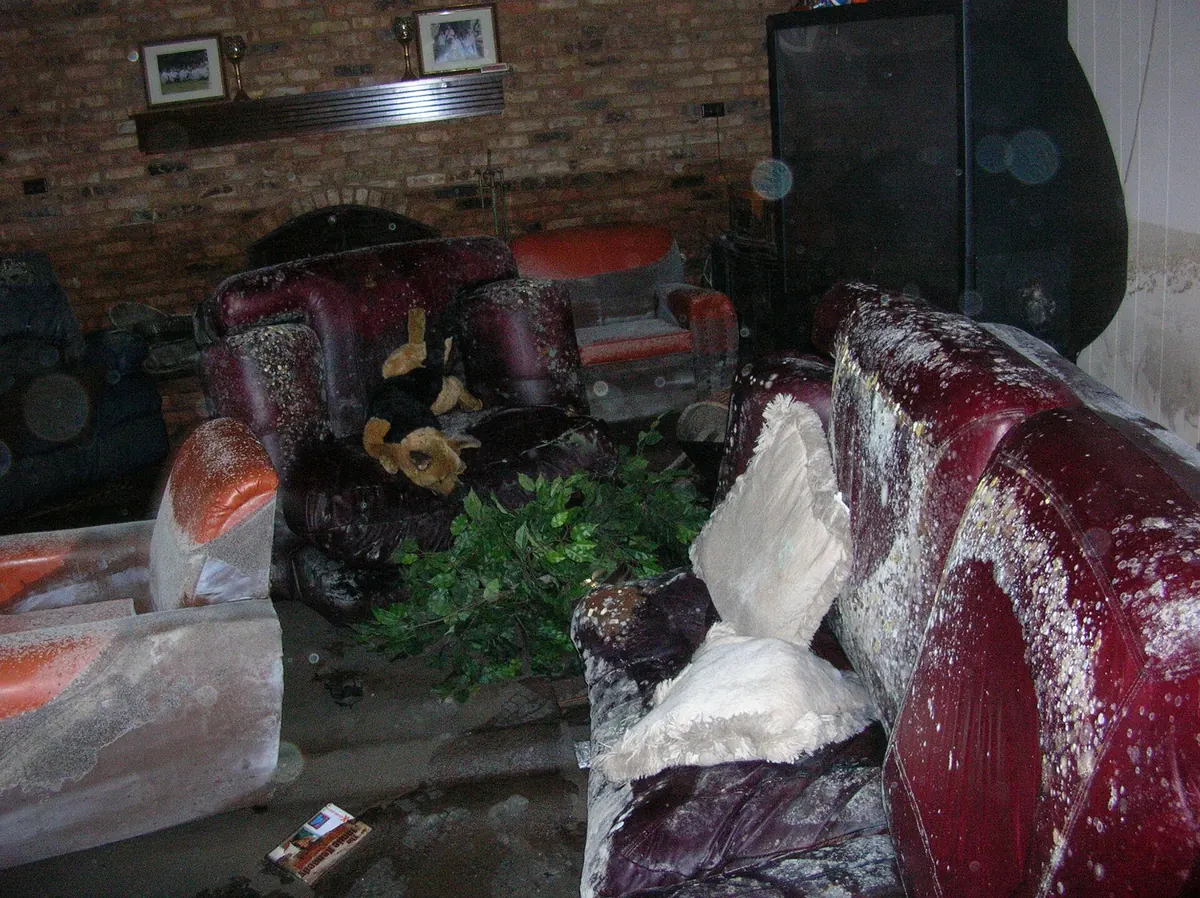
Water Damage Mold Cleanup Services for Your Danvers Property
Your cleanup removes mold after water damage from walls, flooring and cavities. Wet drywall, wet carpet and wet insulation are assessed alongside framing and subfloors.
Hidden moisture can remain after your pipe bursts, an appliance leaks or flooding occurs. Standing water is safely extracted. Growth needs contained removal because drying cannot clear it.
Moisture mapping identifies affected areas ahead of leak repairs, cleanup and the final drying stage. Your scope documents water damage restoration separately from mold removal and rebuilding.
- Assessing hidden moisture and the route water took
- Contained drywall and carpet removal
- Sound framing and subfloor cleaning
- Structural drying and dehumidification
- Final cleaning and moisture checks
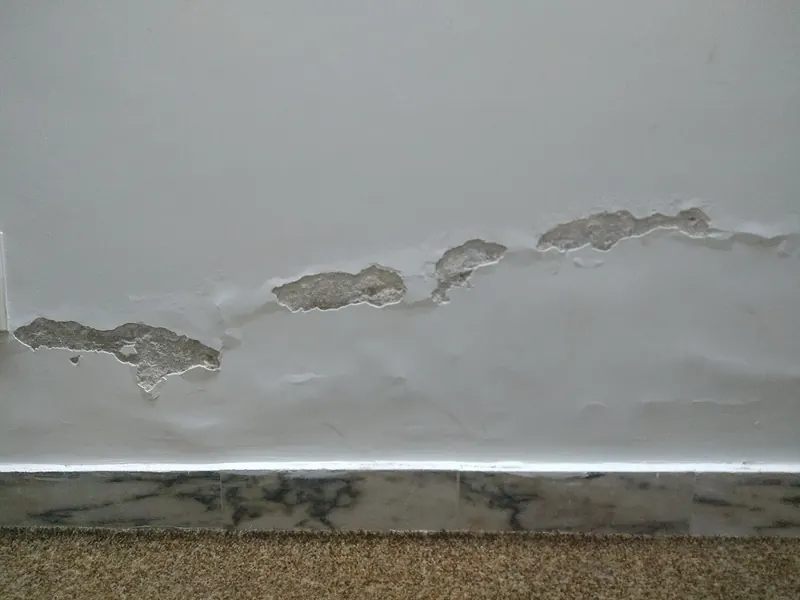
Signs You Need Water Damage Mold Cleanup
Visible growth, lingering dampness or a musty odor after a water loss need assessment.
Room Appears Dry but Musty Odor Remains
A lasting smell may occur alongside dampness behind cabinets or within walls.
Wet Materials After Extraction
Damp walls or carpet padding remain after your standing water clears.
Swollen Walls Near a Water Leak
Your bubbling paint, lifting floor or soft drywall may point to concealed damage.
Growth Across Several Water-Damaged Rooms
Shared walls or ceilings beneath the leak show visible mold growth.
Dark Patches After Water Damage
Your baseboards or the backing of walls may show spots from growth following water movement. Stains alone do not prove mold.
The Water Damage and Mold Remediation Process in Danvers
Your mold removal process keeps containment in place through cleaning, drying and verification.
Water Damage Assessment
Assessment includes your materials plus safe entry. A moisture meter maps dampness; a thermal imaging camera locates temperature differences but cannot identify mold.
Water Source and Cleanup Scope
Water intrusion is traced and source corrections are defined. Standing water is extracted when safe, with leak repair separated from cleanup.
Containment Before Opening Walls
A containment barrier of poly sheeting encloses the rooms affected. Negative air pressure and a HEPA air scrubber limit dust spread during removal.
Water-Damaged Material Removal
Drywall, insulation and carpet padding that cannot be saved are bagged within containment. Openings expose affected cavities while preserving sound material where possible.
Cleaning Retained Surfaces
Non-porous surfaces and framing in sound condition receive appropriate cleaning. Residue removal uses a HEPA vacuum; physical cleaning cannot be replaced by antimicrobial treatment.
Structural Drying and Dehumidification
Dehumidifiers help cleaned areas dry, supported by controlled use of air movers. Regular moisture readings follow drying progress across cavities, subfloors and framing.
Verification Before Reopening
Before containment removal, cleaning and drying finish and agreed post-remediation verification takes place. When specified, clearance testing by an independent assessor comes before replacement materials are installed.
Water Damage Mold Cleanup: Why Choose Boston Mold Cleanup
Clear Scope and Contained Work
Your scope defines removal, drying and separate repairs, with containment and HEPA filtration for affected rooms.
Water Source First
The water route is traced during your assessment before setting removal boundaries.
Calls Answered 24/7
One number starts your assessment across the metro, day or night.
Removal Through Final Checks
Before taking down containment, damaged materials come out, retained surfaces receive cleaning and drying is verified.
Preparing for Water Damage Mold Removal in Essex County
Avoid disturbing damaged rooms while you arrange an assessment by phone.
- Stop incoming water. If safe, use a shutoff you can access.
- Avoid unsafe access. Stay away from wet electrical equipment and sagging ceilings.
- Leave growth undisturbed. Neither scrape mold-covered material nor pull it.
- Keep suspect HVAC off. Mold may spread through a contaminated system, EPA explains.
- Keep people away. Keep your children and pets away from the affected area.
Water Damage Mold Cleanup Cost for Your Danvers Property
Drying needs and hidden damage affect your price, along with contamination. Adding the published ranges from Fixr would double-count overlapping work rather than calculate your job's cost.
Combined water and mold damage
$2,700 to $10,000 per jobSource: Fixr, Mold Remediation Cost (checked 2026-10-23)Water damage restoration, average $3,000
$1,200 to $5,000 per jobSource: Fixr, Water Damage Restoration Cost (checked 2026-10-23)Mold remediation project total inside a water damage job
$1,500 to $4,000 per jobSource: Fixr, Water Damage Restoration Cost (checked 2026-10-23)Mold cleanup listed separately within your water damage job
Each square foot: $4.75 to $5.5Source: Fixr, Water Damage Restoration Cost (checked 2026-10-23)What Changes Your Water Damage Cleanup Cost
- Time materials stayed wet
- Affected area size
- Drying equipment
- Material replacement
- Water contamination
- Hidden growth access
Pricing Your Water Damage Cleanup
These published national ranges are planning figures. Your on-site assessment defines the work and price before cleanup starts, including any separate source repairs or rebuilding.
Call (844) 352-3560 about costWater Damage Mold Cleanup Service Area Across Greater Boston
Call (844) 352-3560 to arrange cleanup in Danvers or nearby communities. One number covers the metro.
ZIP codes
Common Questions About Water Damage Mold Cleanup in Danvers
Do you need testing, or will mold inspection after water damage be enough?
Inspection and moisture readings establish affected surfaces and remaining dampness. According to EPA, air sampling is often unnecessary when you have visible mold. After removal, containment stays up until checks confirm cleaning and dryness. An independent assessor conducts any specified clearance testing. No federal limit sets allowable indoor mold levels.
In Danvers, how much time does cleanup after water damage need?
The materials left wet and the reach of the water determine your schedule. Work in one easily accessed room differs from work in wet cavities over several floors. Before final checks, removal and cleaning take place and drying is measured. Your assessment defines the order of tasks and repairs needed before rooms can return to use.
After cleaning up water damage, could you see mold again?
If dampness remains a problem, mold can recur. Tracing water entry, removing damaged materials and drying retained surfaces are part of your cleanup before repairs close surfaces in. Finishing leak repairs and maintaining humidity control help keep those conditions from recurring. You cannot resolve a continuing water source with drying equipment alone.
Does cleanup include fixing your water leak?
Your moisture source is located in the assessment, which specifies needed corrections alongside drying and removal. Your scope must list plumbing, roof or drainage repairs for those repairs to be included. Separate repair needs are established ahead of work. The affected area is cleaned and dried and the source corrected before new flooring or drywall.
Can you keep living in the property while cleanup takes place?
Staying may be possible if your occupied rooms and necessary access routes are kept apart from the work area. That decision may change with widespread water damage, shared ventilation or contaminated water. Assessment defines where you can go before work gets underway. Containment stays up during cleaning and drying, including the final checks.
Does getting wet mean all walls and carpets need removal?
No. Assessment checks wet materials for contamination and damage, along with their suitability for cleaning and drying. Moldy drywall, insulation or carpet padding may have to come out, but framing in sound condition often stays. Your scope considers each material's condition and where water traveled, not merely a stain.
In Essex County, how much does mold removal after water damage cost?
Before pricing your work, inspection examines affected rooms for damaged materials and hidden moisture. National ranges shown on the published cost cards cover differing scopes of work and measurement units. Those ranges are not summed because mold removal, rebuilding and water extraction may overlap in a project. The work follows your defined scope.
Understanding Water Damage and Mold Insurance in Massachusetts
Homeowners insurance coverage depends on the cause, exclusions, mold coverage limits and deductible. Sudden and accidental water damage may receive different coverage from continuing leaks. Cleanup and rebuilding may be assessed separately.
Understanding Water Damage Mold Safety Throughout Greater Boston
Water contamination and safe access determine precautions before removal begins.
Contaminated Water
Sewage and floodwater contamination call for assessment by a professional, plus appropriate protective equipment.
Mold Spores and Dust
Containment and HEPA filtration limit particle spread during material removal.
Mold Color
CDC says color does not tell you how risky a mold is.
Sensitive Occupants
Mold may trigger symptoms of allergies and asthma for some people, CDC says.
Cleanup scope: Homeowners can often clean areas under about 10 square feet, according to EPA. Professional help is needed with contaminated water or sewage, extensive water damage, HVAC involvement or larger areas.
Cleaning or Removing Water-Damaged Materials in Essex County
Damage and contamination, plus cleaning access, decide what you retain.
Non-porous surfaces
- Sound metal, tile and glass are dried after cleaning, with backing evaluated on its own.
Porous materials
- Moldy drywall and carpet or wet insulation may require removal; sound wood framing may be cleaned.
Flooring and belongings
- Cleaning or disposal is considered after assessing affected furnishings and composite flooring that has swollen.
Water Damage Cleanup Timing in Essex County
Your timeline follows access, removal volume and measured drying progress.
- Accessible rooms: The area removed and thickness of materials influence drying time.
- Wall cavities and subfloors: Moisture out of sight may require drying beyond surface cleaning.
- Final checks and repairs: Before containment removal or new finishes, verification takes place.
Addressing Odor and Humidity After Water Damage in Danvers
You need more than smell to confirm completion. Investigating a persistent musty odor includes checking materials and moisture.
A dehumidifier helps you manage humidity without removing mold. EPA recommends keeping relative humidity indoors below 60 percent and identifies 30 to 50 percent as ideal.
Your Massachusetts Water Damage Cleanup Requirements
Water Damage Work Requirements
The Massachusetts Department of Public Health mold guidance describes cleanup practices and local enforcement, and it does not point to a statewide mold remediation license. Ask any contractor about their mold training, and check with your city or town about local contractor rules.
Repair Permits
Required permits depend on whether your work includes plumbing, building or electrical repairs.
EPA Guidelines for Drying
Dry water-damaged areas and items within 24 to 48 hours to prevent mold growth.
State Mold Information
The Massachusetts Department of Public Health, Bureau of Climate and Environmental Health runs an Indoor Air Quality Program. Its guidance says the way to control mold is to control moisture, and that routine mold testing is generally not recommended.
State guidance: Mass.gov, Guidance Regarding Testing for Mold in Water-Damaged Public Buildings (MA DPH Indoor Air Quality Program); Mass.gov, Massachusetts law about landlord and tenant (Trial Court Law Libraries, quoting MA DPH guide for occupants)
Related Services and Next Steps
Start Your Water Damage Mold Cleanup in Danvers
Call 24/7 to arrange your assessment. Your cleanup starts with the affected surfaces, moisture source and access to your home.