Commercial Mold Remediation in Clarendon Hills, MA
Mold removed from affected walls, ceilings and storage areas in your Clarendon Hills business premises. Call 24/7 to start your assessment and plan contained cleanup.
- Moisture source assessed
- Contained work and HEPA filtration
- Business access planning
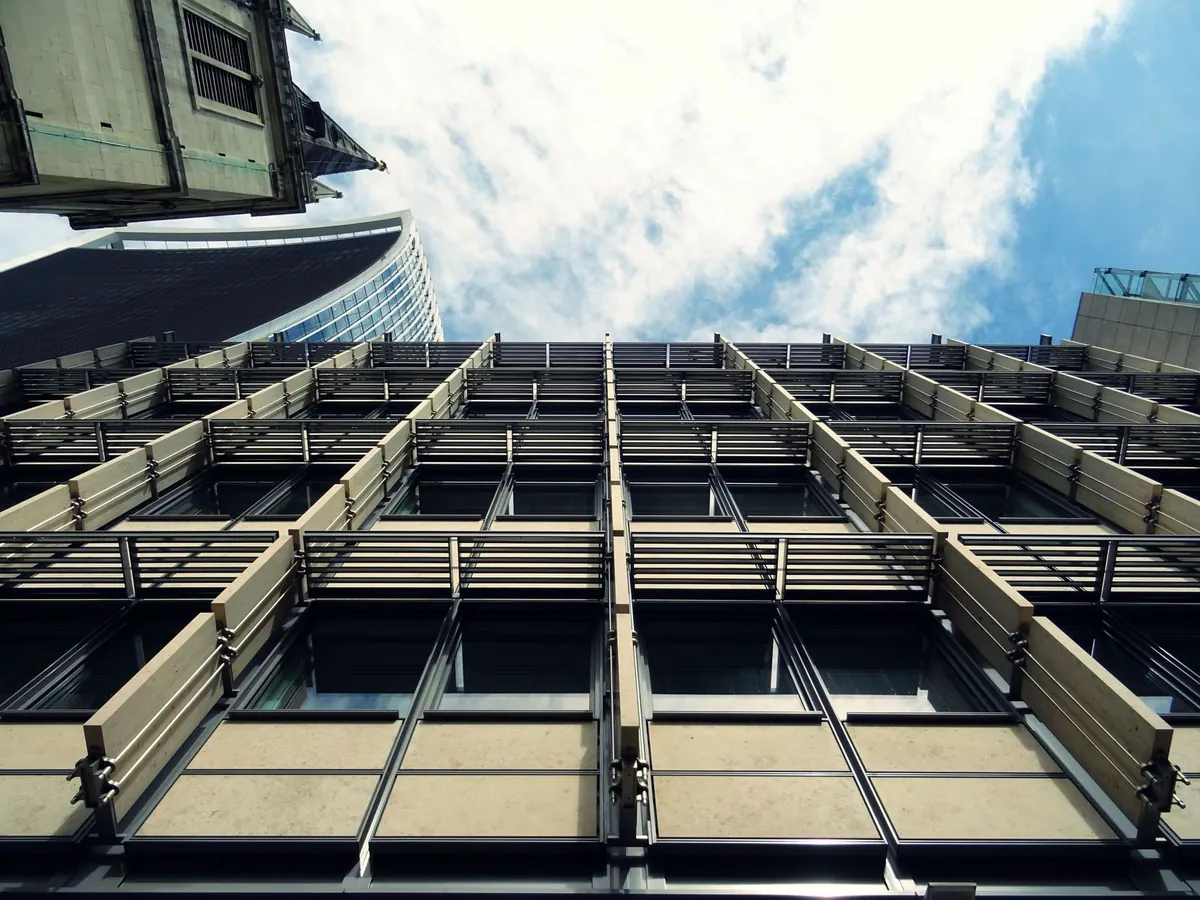
Commercial Mold Remediation Services in Clarendon Hills
Mold work covers your suspended ceilings, office walls, accessible framing and stockrooms. Cleaning and drying address sound surfaces; damaged materials that are porous come out.
First, commercial cleanup addresses where moisture originates and which rooms are affected. Your plan accounts for shared ventilation and access to equipment.
Documenting the work scope establishes what comes out, what gets cleaned and which repairs are separate. Your facility manager or property manager can plan access around customers and staff.
- Wall and ceiling material assessment
- Contained removal of damaged materials
- Surface cleaning for non-porous materials and sound framing
- Assessment of your affected shared HVAC system
- Drying under control and checking final conditions
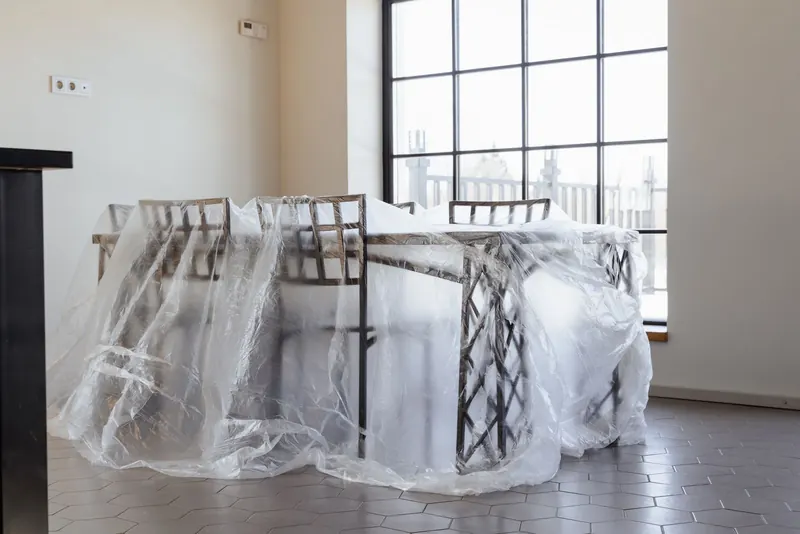
When Your Property Needs Commercial Mold Removal
Recurring growth, damp finishes and musty rooms can signal a moisture problem.
Musty Commercial Storage Areas
A smell that persists beside cartons or shelving may occur with damp materials in stockrooms.
Growth Near Commercial Air Vents
You may find visible mold growth by vents where condensation or affected HVAC materials are present.
Spots on Commercial Ceiling Tiles
Roof or plumbing leaks may leave water marks or dark patches beneath them, with tiles that sag.
Soft Commercial Walls
Paint that bubbles, baseboards that swell and drywall that softens can signal concealed moisture.
Mold Returning After Surface Cleaning
Recurring spots can point to affected material or a moisture source that still needs attention.
The Steps in Commercial Mold Remediation
Your cleanup stays contained through removal, drying and final checks. Only after verification are barriers removed.
Commercial Mold Inspection
Rooms, ceiling spaces and access routes are assessed. A moisture meter finds damp areas; temperature patterns appear on a thermal imaging camera, which does not show mold.
Moisture Source and Commercial Scope
Assessment begins with leaks, shared systems and condensation. Moisture corrections and removal limits are documented in your written scope of work, with either phased remediation or planned after-hours work.
Work Area Containment
A containment barrier is built using poly sheeting. Where appropriate, negative air pressure joins protective equipment and a HEPA air scrubber to restrict mold spores from spreading.
Damaged Building Material Removal
Inside containment, damaged materials go into bags. Affected cavities become accessible through drywall removal; debris follows a planned path clear of occupied spaces.
Cleaning Remaining Surfaces
Cleaning non-porous surfaces and sound framing involves a HEPA vacuum and damp wiping suited to the materials. Removal and cleaning remain necessary despite antimicrobial treatment.
Controlled Drying
Where suitable, air movers work with a dehumidifier to aid drying once contamination is controlled. Progress is tracked through moisture readings as corrections address the water source.
Post-Remediation Verification
Verification covers drying and cleaning. An independent assessor documents findings in a clearance report after performing clearance testing, when specified.
Containment Removal
Verification takes place before barriers are removed. Where required, separate rebuilding or equipment reinstatement happens next, before you resume normal use.
Commercial Mold Remediation: Why Choose Boston Mold Cleanup?
Removal Through Final Checks
Removal of damaged materials and surface cleaning and drying come before verification and containment removal.
Commercial Moisture First
Before removal, your assessment tracks down condensation and leaks.
Contained Commercial Work
HEPA filtration and containment match your space; planned debris paths avoid areas that remain occupied.
Calls Answered 24/7
One number starts your commercial cleanup across the metro, day or night.
Clear Scope Before Work
Your business access and affected rooms are defined alongside separate repairs before containment is installed.
Preparing for Commercial Mold Cleanup at Your Suffolk County Property
Avoid disturbing affected spaces while you arrange an assessment by phone.
- Restrict entry. Keep wet materials and visible growth out of reach of customers and staff.
- Leave affected stock in place. Avoid carrying moldy cartons or furniture through clean business areas.
- Avoid disturbing growth. Avoid sanding or scraping affected ceiling tiles and walls, and never dry-brush them.
- Keep clear of electrical hazards. Where business equipment, wiring or outlets are nearby, do not approach standing water.
- Stop suspect HVAC use. EPA says not to run equipment suspected of mold contamination because it can spread mold.
Discuss Your Commercial Mold Remediation Cost in Clarendon Hills, MA
Your cost depends on removal quantities, access and the area affected. The national figures shown apply to mold work generally, not exclusively commercial jobs. Pricing follows your building's scope.
Typical national range, average $3,500
$1,500 to $9,000 per jobSource: Fixr, Mold Remediation Cost (checked 2026-10-23)Professional pricing when the area exceeds about 10 square feet
$10 to $30 for each square footSource: Fixr, Mold Remediation Cost (checked 2026-10-23)Mold covering approximately 100 square feet
$1,000 to $3,000 per jobSource: Fixr, Mold Remediation Cost (checked 2026-10-23)Factors Behind Your Commercial Mold Cleanup Price
- Access around equipment
- Phased remediation and operating-hour limits
- HVAC involvement
- Containment and HEPA filtration
- Affected area and removal depth
The Price of Your Commercial Mold Cleanup
These published national ranges are planning figures. Your on-site assessment defines the work and price before cleanup starts, including any separate source repairs or rebuilding.
Call (844) 352-3560 about costCommercial Mold Remediation Service Area Across Greater Boston
Call (844) 352-3560 to arrange cleanup in Clarendon Hills or nearby communities. One number covers the metro.
Commercial Mold Remediation in Locations Near Clarendon Hills
ZIP codes
Frequently Asked Questions About Commercial Mold Remediation in Clarendon Hills
Do you need commercial mold testing before cleanup or afterward?
Visible mold often does not need air sampling under EPA guidance. Inspection, along with checks for moisture, determines your affected materials and the scope for cleanup. Containment stays up after removal until cleaning and drying have been verified. When specified, clearance testing is carried out by an independent assessor. Federal limits do not exist for indoor mold levels.
How long will your commercial cleanup in Clarendon Hills last?
Assessment of your access, materials and drying requirements comes before scheduling. Restaurants, schools or hotels with occupied rooms and shared ventilation differ from warehouses or retail space. Timing may change with after-hours work and phased remediation. When each space can be used again depends on separate repairs and moisture readings.
What is the commercial cleanup cost for your Suffolk County property?
Containment requirements, equipment access, affected square footage and how deeply removal extends determine your price. Cost cards present figures from national sources covering general mold work instead of prices quoted for commercial projects. Shared systems, phased work and replacement materials can change the total. Before cleanup begins, your assessment defines both the work and the price.
Which finishes in your commercial space need removal?
Moldy ceiling tiles, insulation and carpet, along with damaged drywall, may require removal since porous materials can contain deeper growth. Hard surfaces you can reach and structurally sound framing often allow cleaning and drying. Your scope is based on damage found and access requirements. Replacement finishes and reconstruction are included only when specifically listed.
Will mold return after your building is cleaned?
If dampness remains unresolved, mold may grow again. Your cleanup begins by assessing condensation and leaks, followed by damaged material removal and cleaning of surfaces worth saving. Replacement finishes follow drying and correction of moisture problems. To help prevent conditions that supported growth in your building, finish repairs and maintain humidity control.
Are leaks and ventilation problems fixed too?
Your assessment defines needed moisture corrections alongside cleanup after identifying the moisture source. Your scope must list roof, plumbing and ventilation repairs for those repairs to be included. Identifying separate repair work before removal keeps cleaned surfaces and new materials from being closed in around an uncorrected moisture problem.
Can you keep your business open while removal takes place?
In an occupied building, unaffected areas may remain in use if access and ventilation allow separation from the work zone. Assessment at your property covers customers, staff, emergency routes and deliveries. Shared HVAC or widespread damage may require closure of more space. Containment alone does not establish that continued occupancy is appropriate.
Insurance for Commercial Mold Cleanup in Massachusetts
Your commercial coverage rests on why moisture occurred, policy exclusions, the deductible and mold limits. Cleanup, business interruption and repairs may receive different treatment within a claim.
Understanding Commercial Mold Safety in Greater Boston
Containment with restricted entry limits how particles spread during your cleanup.
Mold Color Cannot Establish Risk
CDC advises that a mold's color tells you nothing about how risky the mold is.
Hidden Dampness
Surface dryness tells you nothing conclusive about insulation or cavities concealed behind the surface.
Occupant Sensitivities
According to CDC, some people may experience allergy and asthma symptoms triggered by mold.
Contaminated Water
EPA advises seeking experienced professional help when water damage involves sewage or contaminated water.
Cleanup scope: EPA homeowner guidance allows cleanup of areas under about 10 square feet in many cases. Your workplace occupancy requires a separate assessment, with professional help for HVAC involvement, larger areas or contaminated water.
Commercial Mold Cleanup in Suffolk County: Materials to Clean or Remove
Condition and ease of access decide whether your materials need removal or cleaning.
Sound surfaces
- Accessible glass, metal and tile are cleaned; sound framing is cleaned and dried.
Damaged porous materials
- You may need to remove carpet, suspended ceiling tiles, insulation and drywall affected by mold.
Business contents
- Before cleaning, relocation or disposal, your stock, furniture and electronics are assessed separately.
Commercial Mold Work in Suffolk County: Arranging Your Schedule
Access and the amount removed shape your schedule, alongside moisture measurements and when repairs take place.
- Isolated room: Hidden damage and drying readings determine readiness for repairs.
- Occupied floor: Each phase depends on available work periods and access paths.
- Shared HVAC or multiple suites: System evaluation, together with adjoining occupancy, shapes the order of work.
Addressing Commercial Odor and Moisture in Clarendon Hills
Fragrance cannot fix water entering your building or take affected materials away. Investigating a musty smell involves checking materials and moisture.
For indoor relative humidity, EPA advises staying under 60 percent, with 30 to 50 percent as the ideal range. Once leaks and ventilation issues are fixed, controlling humidity helps prevent mold in your space.
Commercial Mold Cleanup in Massachusetts: Requirements to Know
Commercial Work Requirements
The Massachusetts Department of Public Health mold guidance describes cleanup practices and local enforcement, and it does not point to a statewide mold remediation license. Ask any contractor about their mold training, and check with your city or town about local contractor rules.
EPA Guidelines for Drying
Dry water-damaged areas and items within 24 to 48 hours to prevent mold growth.
Repair Permits
Permit needs follow the electrical, structural and other repairs included in your scope.
State Mold Information
The Massachusetts Department of Public Health, Bureau of Climate and Environmental Health runs an Indoor Air Quality Program. Its guidance says the way to control mold is to control moisture, and that routine mold testing is generally not recommended.
State guidance: Mass.gov, Guidance Regarding Testing for Mold in Water-Damaged Public Buildings (MA DPH Indoor Air Quality Program); Mass.gov, Massachusetts law about landlord and tenant (Trial Court Law Libraries, quoting MA DPH guide for occupants)
Related Services and Next Steps
Start Your Commercial Mold Remediation in Clarendon Hills
Call 24/7 to arrange your assessment. Your cleanup starts with the affected surfaces, moisture source and access to your home.